Brief history of SoftPOS
SoftPOS evolved from certified hardware to software on NFC devices, slashing costs and complexity for secure payments.

Laura Ďorďová
CEO
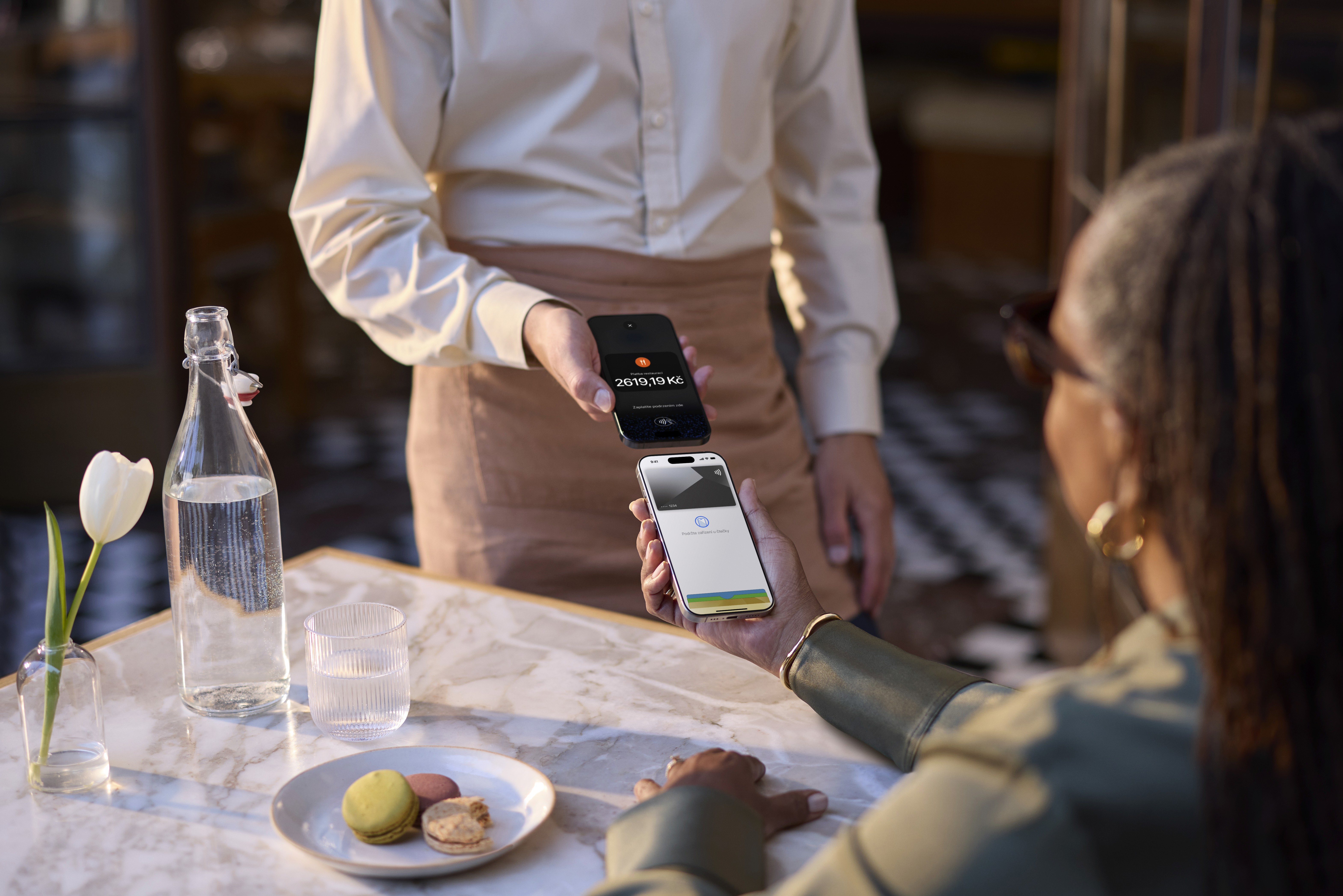
The brief history of SoftPOS reveals a transformative journey in payment acceptance, evolving from rigid hardware terminals to software-based solutions like SoftPOS SDKs that enable developers to turn any NFC-enabled device into a secure payment terminal. This shift addresses longstanding developer pain points in payment gateway integration, compliance, and SoftPOS implementation without needing payments expertise.
Milestone | Year | Key Impact |
|---|---|---|
Credit Cards & Terminals | 1950s–1980s | Hardware dependency begins |
Contactless & mPOS | 2007–2009 | Mobile dongles emerge |
SoftPOS Concept | 2012 | SDK vision for COTS devices |
PCI MPoC Standards | 2018 | Compliance for developers |
Major Launches | 2019–2020 | Tap to Pay advances |
Mass Adoption | 2023+ | 500% growth projected |
Origins of POS and Rise of Mobile Payments
Point-of-sale (POS) systems trace back to the mid-20th century with plastic credit cards in the 1950s, requiring dedicated hardware like swipe terminals by the 1980s and chip-and-PIN devices by 1994. Contactless payments emerged around 2007, but merchants still needed expensive POS terminals or dongles for mobile POS (mPOS). These early systems locked developers into hardware dependencies, complicating payment API integration and PCI compliance.
SoftPOS Emerges (2012–2018)
SoftPOS—also called Tap on Phone or pin-on-glass—was conceptualized around 2012, aiming for software point-of-sale on commercial off-the-shelf (COTS) NFC smartphones. Early pilots lacked PIN support and had transaction limits, but 2018 brought regulatory milestones like PCI MPoC standards, enabling secure SoftPOS development without additional hardware. Developers gained SDK options for payment gateway integration, reducing setup from months to minutes.
Commercial Launches and Acceleration (2019–2022)
Major rollouts began in 2019, followed by advancements in Tap to Pay capabilities by 2020 amid COVID-19's contactless demand surge. Visa and Mastercard advanced SoftPOS programs, with multi-scheme launches supporting diverse cards. PCI Security Standards Council's full MPoC release in 2022 removed limits, paving the way for scalable SoftPOS SDKs and acquirer-agnostic payment processing.
Transformation from Certified Hardware to Certified Software
Traditional certified hardware POS relied on PCI PTS standards, mandating purpose-built terminals with fixed components tested for every variant—costly and time-intensive for manufacturers and merchants. The game-changer came with PCI MPoC (Mobile Payment Code) in 2018, evolving to full certification by 2022, which certifies software applications, SDKs, or full solutions modularly across 192 security requirements like software integrity, attestation, backend security, and vulnerability resilience.
This software certification transforms payment acceptance by leveraging everyday NFC devices (smartphones/tablets) instead of specialized hardware, inheriting PCI compliance through certified SoftPOS SDKs without merchants handling audits or acquirer negotiations. Benefits include massive cost reductions (no hardware purchases/maintenance), faster deployment (minutes vs. weeks), scalability for peak demands, and flexibility for mobile/pop-up use—while maintaining or exceeding security via tokenization, encryption, and modular testing. Developers ship apps as certified payment terminals globally, focusing on innovation over compliance hurdles.
SoftPOS Boom and Developer Adoption (2023–2026)
By 2023, SoftPOS deployments surged with NFC tokenization and cloud gateways; projections show 500% growth by 2027. In 2024–2025, self-service solutions emphasized for small teams. Today in 2026, it dominates for Android/iOS/Flutter/React Native payment API integration.
Why SoftPOS Benefits Merchants
Merchants love SoftPOS for its cost savings—eliminating expensive hardware, maintenance, and dongles by using existing NFC smartphones or tablets, ideal for small businesses, pop-ups, food trucks, and market stalls. It boosts mobility for on-the-go payments anywhere in-store or at events, cuts checkout lines with quick tap-and-go contactless (Apple Pay, Google Pay), and supports diverse methods without PIN for small transactions. Additional perks include scalability for growth, financial inclusion for cash-only merchants, better customer loyalty via faster service, and integrations for inventory/CRM—driving higher sales and efficiency.
Why SoftPOS Matters for Developers
SoftPOS eliminates acquirer negotiations, audits, and hardware costs, offering 30-minute integrations via developer-first SDKs like Tapaya's drop-in payment acceptance.
Share on social media